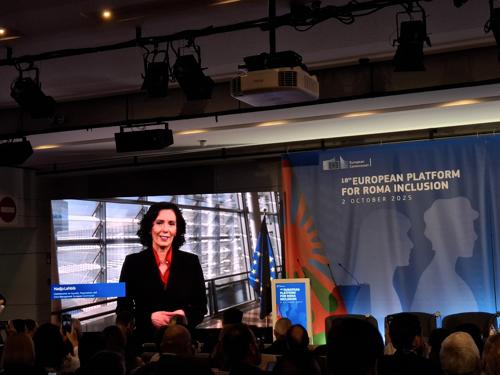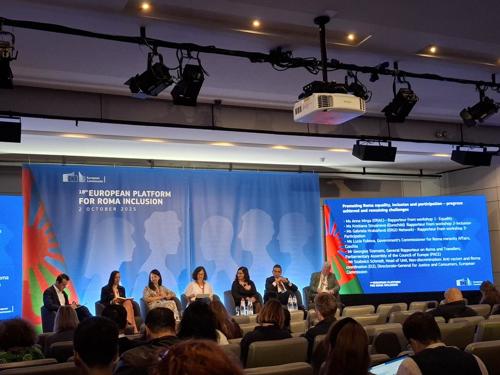

We participated in the 18th European Platform for Roma Inclusion 2025.
[editar]

The 18th edition of the European Platform for Roma Inclusion (EPRI) was held on October 2 in Brussels. This annual meeting, organized by the European Commission, coincides with the fifth anniversary of the European Union Strategic Framework for Equality, Inclusion and Participation of Roma 2020-2030 and marks the midpoint of its implementation..
Under the theme "Lessons and lessons learned after five years of implementation of the EU Strategic Framework for Roma: progress achieved and challenges ahead," EPRI 2025 brings together policymakers from the European Union and Member States, funds management authorities, civil society representatives and experts in fundamental rights and social policies. The objective of the meeting is to take stock of the progress made, identify persistent challenges in various areas such as education, housing, poverty, and health, and formulate concrete recommendations to strengthen the effectiveness of inclusion policies and advance towards the 2030 goals. In this context, the Platform provides a space for dialogue between the European institutions, governments and Roma to guide the next steps in terms of equality and participation.
The official discussion document prepared by the Commission for this edition highlights that, although progress has been made in creating legal frameworks and implementing specific programs, significant inequalities persist in the areas of education, employment, health, and housing. Likewise, anti-Gypsyism continues to be a structural barrier that hinders equal access to rights and opportunities.
According to this document, access to early childhood education has improved in several Member States, but school segregation and school dropout continue to disproportionately affect Roma children. Regarding employment, some countries have implemented specific plans with support from European funds—such as the State Employment Plan for the Roma Population (2025-2028) in Spain—but job discrimination and precarious employment remain widespread problems.
With these reflections, the Platform seeks to consolidate dialogue among all stakeholders, promote more effective use of European funds, and develop action-oriented recommendations that will inform the Commission's next report in 2026.
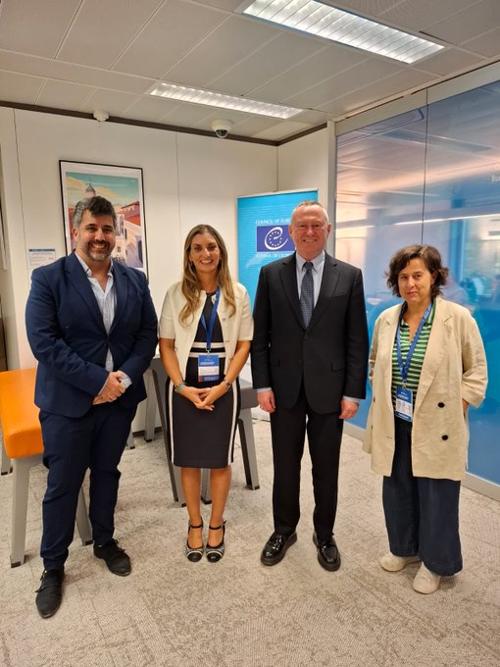
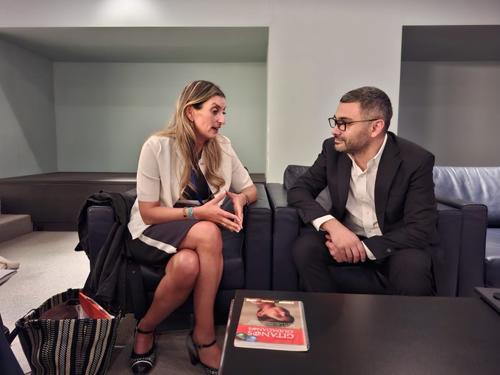
At FSG, we participated once again in this new edition of the Platform, where we had the opportunity to hold very interesting discussions and meetings at the institutional level, such as with the Romanian Minister of Employment, Petre Florin Manole, and the Council of Europe Commissioner for Human Rights, Michael O'Flaherty. The dialogue with both was constructive, based on mutual recognition and support, and aimed at establishing concrete collaboration in specific areas for future joint actions.
Related documents
-
Conclusions of the 18th European Platform for Roma Inclusion
Report summarizing key insights and discussions from the event
Gallery