
The European Commission acknowledges progress in Roma inclusion but warns of persistent inequalities [editar]
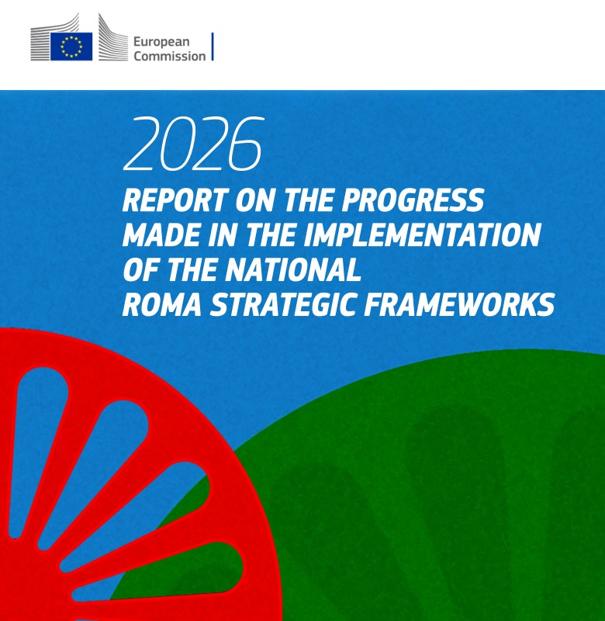
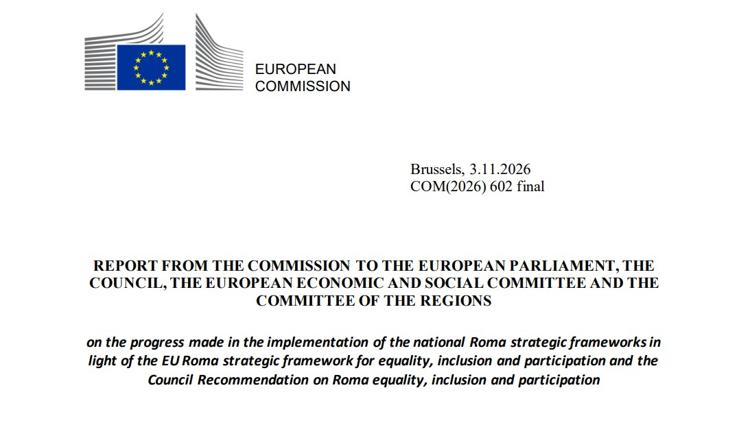
On 3 November 2026, the European Commission published a new report on progress in implementing national Roma equality, inclusion and participation strategies, within the framework of the European Union’s objectives for 2030.
The report examines progress made between June 2023 and March 2025, drawing on information provided by Member States, civil society organisations and data from the European Union Agency for Fundamental Rights (FRA). This monitoring exercise provides an opportunity to assess progress achieved, identify the main remaining challenges and inform public policies in the coming years.
The findings show improvements in several areas, although inequalities remain substantial. The proportion of Roma people in paid employment increased from 43% in 2016 to 54% in 2024, while the percentage of young Roma people not in education, employment or training fell from 62% to 47%. Participation in early childhood education also improved, rising from 42% to 53%.
However, significant gaps remain compared with the general population. 77% of Roma children are at risk of poverty, while 31% of respondents report having experienced discrimination on the grounds of their ethnic origin. Furthermore, educational segregation remains a significant concern, and housing conditions continue to be characterised by high levels of deprivation and overcrowding.
The report also highlights gender inequalities in access to employment among Roma women and men, with employment rates of 38% and 69%, respectively. It also points to substantial gaps in life expectancy compared with the general population, amounting to eight years for men and 7.4 years for women.
Regarding Spain, the Commission acknowledges progress, particularly in employment, and explicitly refers to the Fundación Secretariado Gitano's Acceder programme, highlighting its focus on digital inclusion and the development of skills for the future of work. The report also refers to ongoing efforts to promote the State Pact against Anti-Roma Racism (Antigypsyism) and acknowledges the monitoring mechanisms established under the national strategy.
Nevertheless, the Commission notes that Spain continues to lag behind in achieving some of the EU's objectives, particularly in education, where significant challenges remain in ensuring equal opportunities for Roma pupils.
Among its main recommendations, the Commission stresses the need to strengthen efforts to combat antigypsyism, tackle educational and residential segregation, improve access to employment and public services, and ensure the meaningful participation of Roma organisations in the design, monitoring and evaluation of public policies. It also underlines the importance of stable funding and more effective use of EU funds.
At Fundación Secretariado Gitano, we believe that the findings of this report reinforce the need to maintain and expand efforts to achieve genuine equality for Roma people. The progress made demonstrates that inclusion policies can deliver positive results, but also serves as a reminder that sustained commitment is essential to reducing the structural inequalities that continue to persist.