
Fundación Secretariado Gitano attends the Conference on the Social Climate Fund in Brussels [editar]
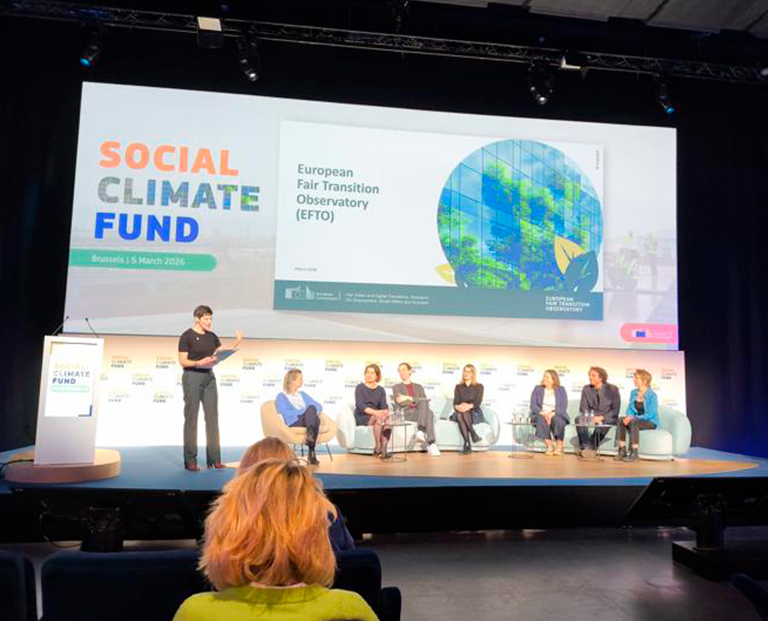
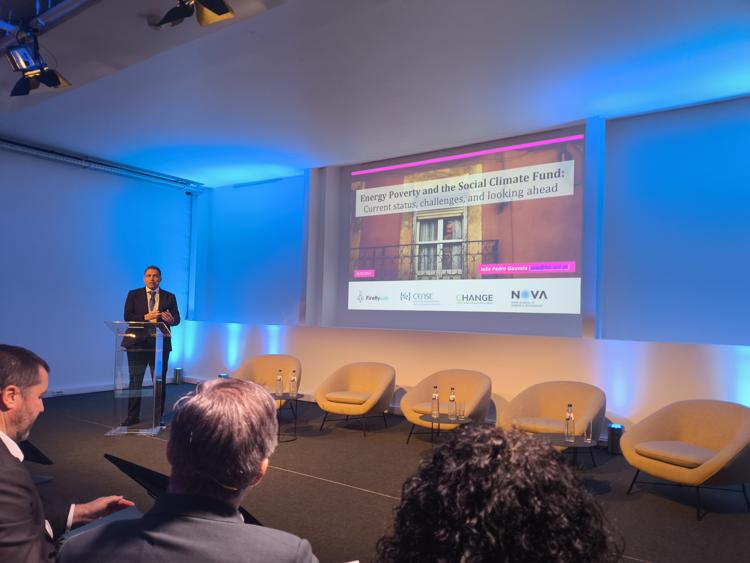
Last week, we attended the conference Helping Vulnerable People in the Clean Transition: the Role of the Social Climate Fund, organised by the European Commission in Brussels. The event explored how the EU can ensure that the clean transition is fair and inclusive for everyone.
The Social Climate Fund (SCF), which will run from 2026 to 2032, is set to mobilise €86.7 billion. To access this funding, Member States must submit their Social Climate Plans to the European Commission. At present, most EU countries have not yet sent for revision their national plans. These national plans must outline measures to support vulnerable households, transport users, and micro‑enterprises during the transition.
The event was structured around expert speeches and panel discussions on the role of the SCF in supporting vulnerable groups and ensuring a socially fair transition. Sessions also addressed the delivery of practical solutions, the importance of a just energy transition, and ways to translate priorities into concrete action on the ground. In addition, the European Fair Transition Observatory (EFTO) was officially launched during the conference.
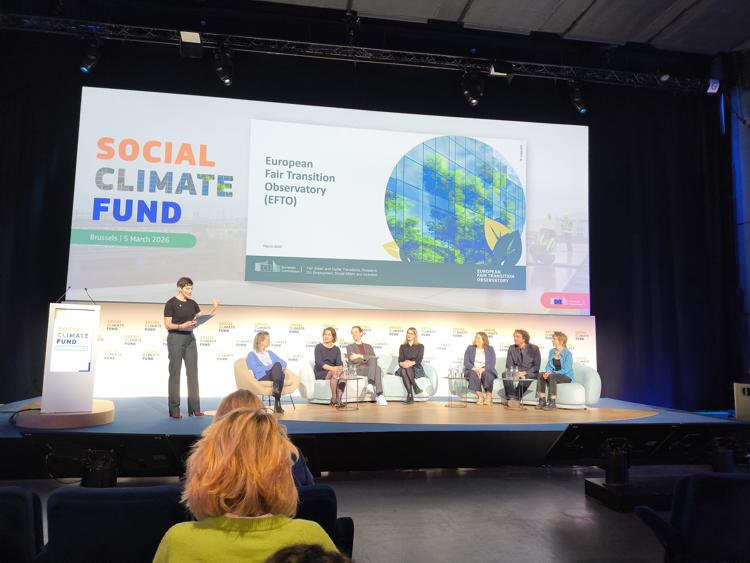
Across the sessions, there was widespread consensus on the need for the SCF to effectively reach vulnerable groups. Participants also highlighted the importance of strong cooperation among European, national, regional and local authorities, social partners and civil society organisations to maximise the impact of the Fund. The conclusions emphasised the key role of local authorities and NGOs in the design and implementation of SCF measures.
During the discussions, we contributed by raising awareness of the situation of Roma communities, who remain disproportionately affected by poverty, energy poverty, and inadequate housing conditions. According to the FRA Roma Survey 2024, 81% of Roma in the EU cannot afford to keep their homes warm, making it essential that national plans explicitly address their needs and circumstances. Ensuring that Roma communities are included when designing measures to tackle energy poverty is crucial for achieving a truly inclusive clean transition.
We hope that the national plans still under preparation will incorporate targeted initiatives that respond effectively to the energy poverty challenges faced by Roma communities.