
Culture [editar]
FLAMENCO, WORLD HERITAGE
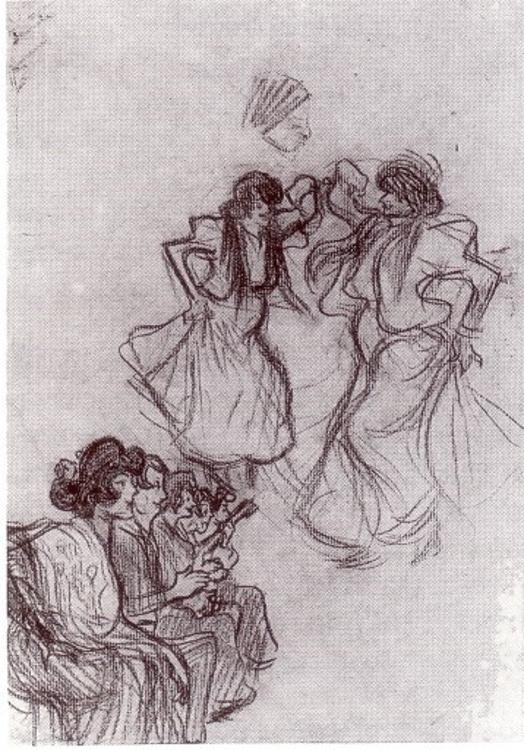
Declared Intangible Cultural Heritage by UNESCO in 2010, flamenco is now a universal art form. Flamenco is singing, dancing and guitar playing. It emerged in the 18th century in Spanish Lower Andalusia. Its origins lie in the Roma houses of Andalusia, which treasured it, passed it on orally and transformed it from generation to generation. And as a living art form, it was nourished by different musical sounds.
From the intimacy of Roma families, houses and courtyards, it jumped to theatres and cafés and became a profession for singers and dancers; and today it is a tourist attraction that has survived the passage of time and changing fashions. A universal art form, a hallmark of Spanish identity.
The new hybrid and open flamenco
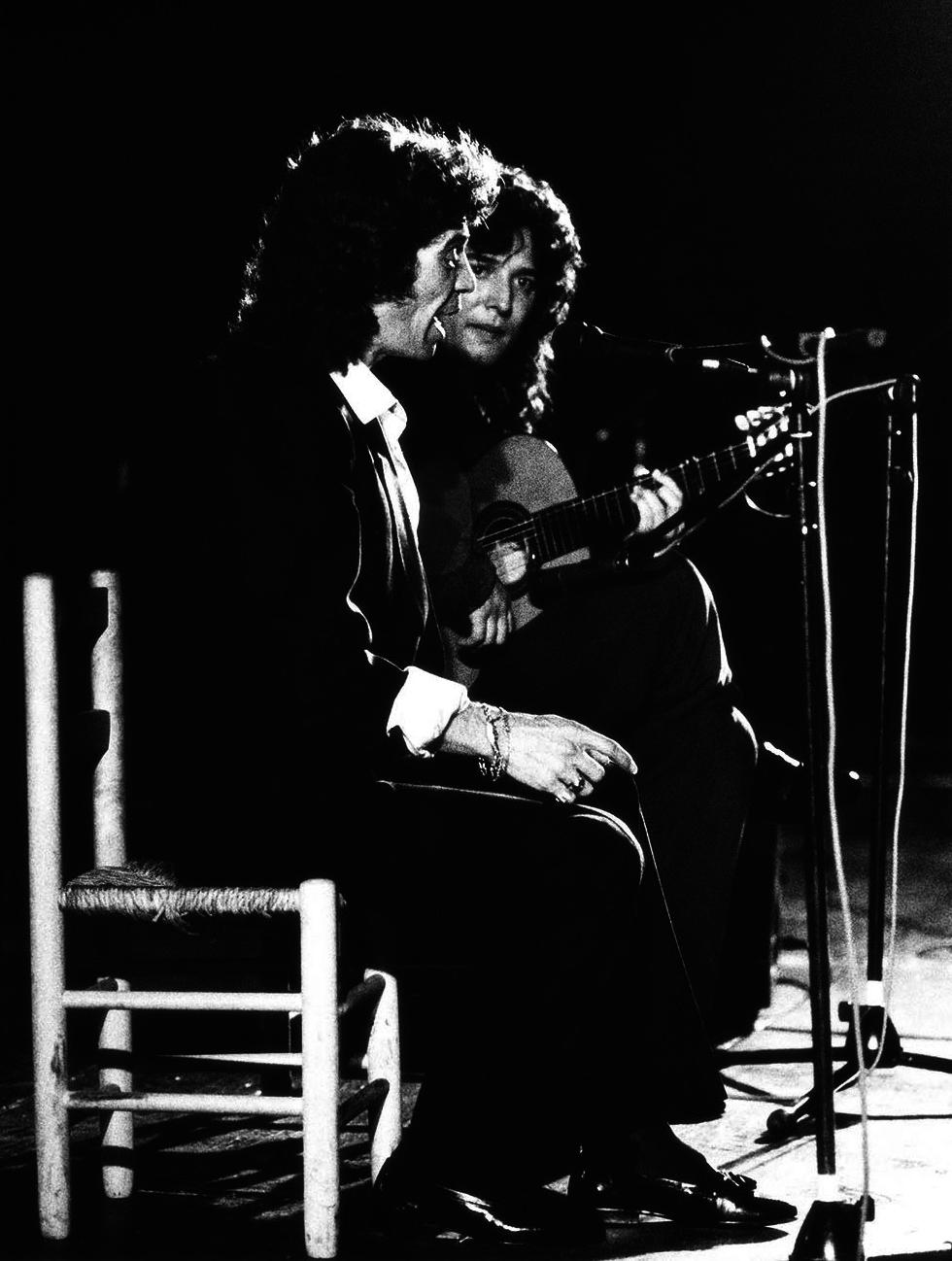
Flamenco is also fusion. Especially with Camarón's La Leyenda del tiempo (The Legend of Time), a ‘new flamenco’ began, proud to mix with such disparate music as rock, salsa, blues and jazz. The era of Lole y Manuel, Pata Negra, Ketama... Names that knew how to give new wings to the Roma heritage.
Camarón, the great icon
José Monge Cruz (1950-1992) is one of the great legends of flamenco. He became an icon for Roma and non-Roma alike, who admired the plaintive sound of his voice, the Roma character of his art, and the rebellious nature of his work. The album La Leyenda del tiempo revolutionised flamenco by including rock and jazz sounds.
Writers you should read
In the 20th and 21st centuries, Roma voices began to be heard in Spanish literature, seeking to dignify their people, such as that of José Heredia Maya (Granada, 1947-2010), poet, playwright and the first Roma university professor in Spain.
Among the current Roma writers, names such as Joaquín Albaicín and Antonio Ortega stand out.
DID YOU KNOW WHO PAPUSZA WAS?
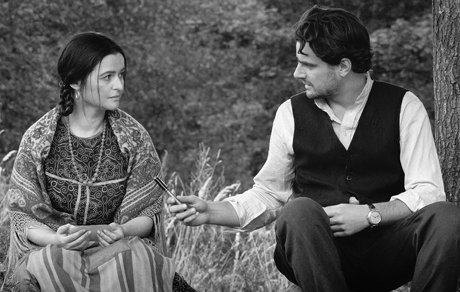
Bronislawa Wajs (1908-1987) was a Polish Roma poet and Holocaust survivor. Her life has been made into a film. Papusza means doll, and her name is part of a long list of female voices that have been historically invisible.
Theatre with a cause
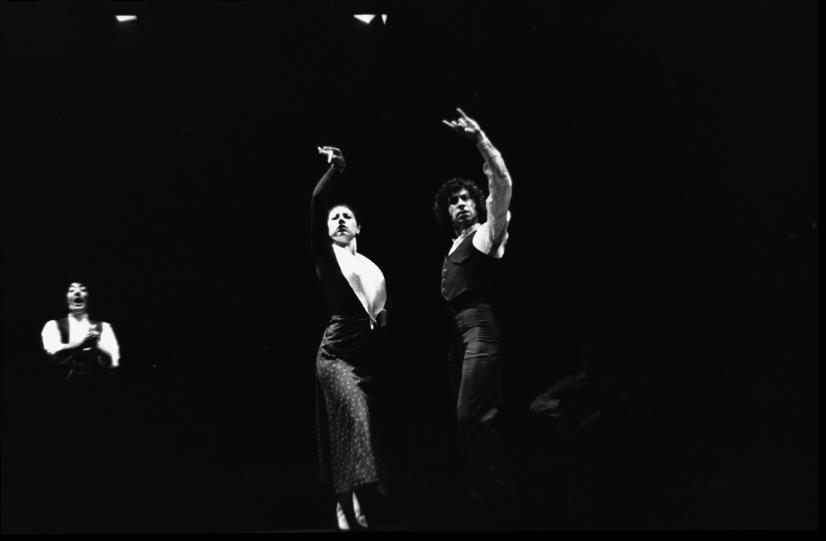
In the Spanish theatre, there are some emblematic shows that champion the cause of the Roma people, such as Camelamos Naquerar (We Want to Talk) by José Heredia and Mario Maya.
A flamenco play by José Heredia Maya (1947-2010) with a powerful message, championing the culture and dignity of the Roma. It was staged in 1976, with choreography by Mario Maya. It was contemporary and experimental for its time.
In the world of theatre, reinterpretations of classics also stand out, such as those by theatre director and actor José Maya and Francisco Suárez Montaño, who was director of the Mérida International Classical Theatre Festival.
Cinema, clichés and excess
Roma in cinema are above all synonymous with clichés and excess.
In Spain, during the Second Republic and the Franco regime, Roma were portrayed in order to promote the most folkloric image of Spain, with a few exceptions.
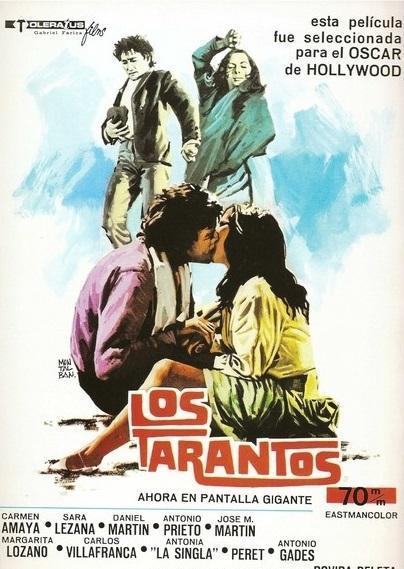
For example, one film that attempted to portray the life of Roma from a more sensitive perspective was Los Tarantos (Franciso Rovira-Beleta, 1963), starring the Roma dancer Carmen Amaya, which delves into life in Barcelona's Somorrostro district.
In the following decades, the screen showed Roma men and women linked to marginalisation, drugs and violence. There were few exceptions, such as the films of Carlos Saura and his trilogy on flamenco.
TONY GATLIF: French-Algerian Roma filmmaker. He has made many films on Roma themes. Of particular note is Latcho Drom (1993), a documentary that follows the Roma people from their origins in India.
Visual arts
Roma have been represented in many visual arts, but they have also been creators.
A clear example is the painter and guitarist Fabián de Castro (1868-1948), who lived in Paris and whose art was highly prized by the society of the time; or the realist painter Antonio Maya Cortés (Jaén, 1950).
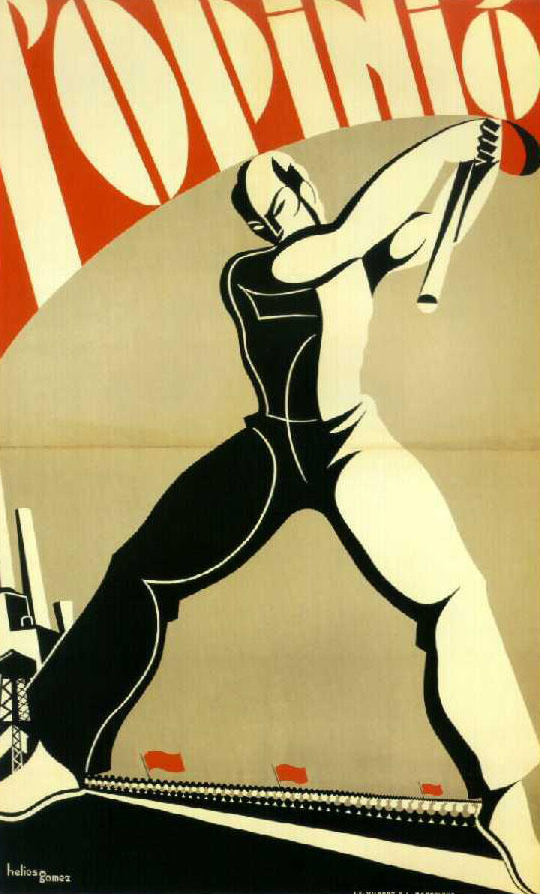
The poster artist Helios Gómez (1905-1956) was also a painter, poet, and representative of the artistic avant-garde of the early 20th century. His Republican and anarchist propaganda posters are particularly noteworthy. A committed anti-Franco fighter, he was sent to concentration camps. While in the prison in Barcelona, he painted what is known as the ‘Roma Chapel’.
DID YOU KNOW THAT ONE OF THE MOST SOUGHT-AFTER ARTISTS IN THE WORLD TODAY IS A ROMA?
Her name is Lita Cabellut (Huesca, 1961) and she has lived in The Hague since she was 19. She is a multidisciplinary artist who works with oils, sculpture, photography...
In 2015, the Artprice art market index ranked her among the 500 most sought-after artists in the world. She was the only Spanish woman, surpassed only by Juan Muñoz and Miquel Barceló.